70 Years of Greatness
Needles and the birth of a horse world powerhouse.
By Heather Lee | An OHP Exclusive
Photography throughout courtesy of FTBOA
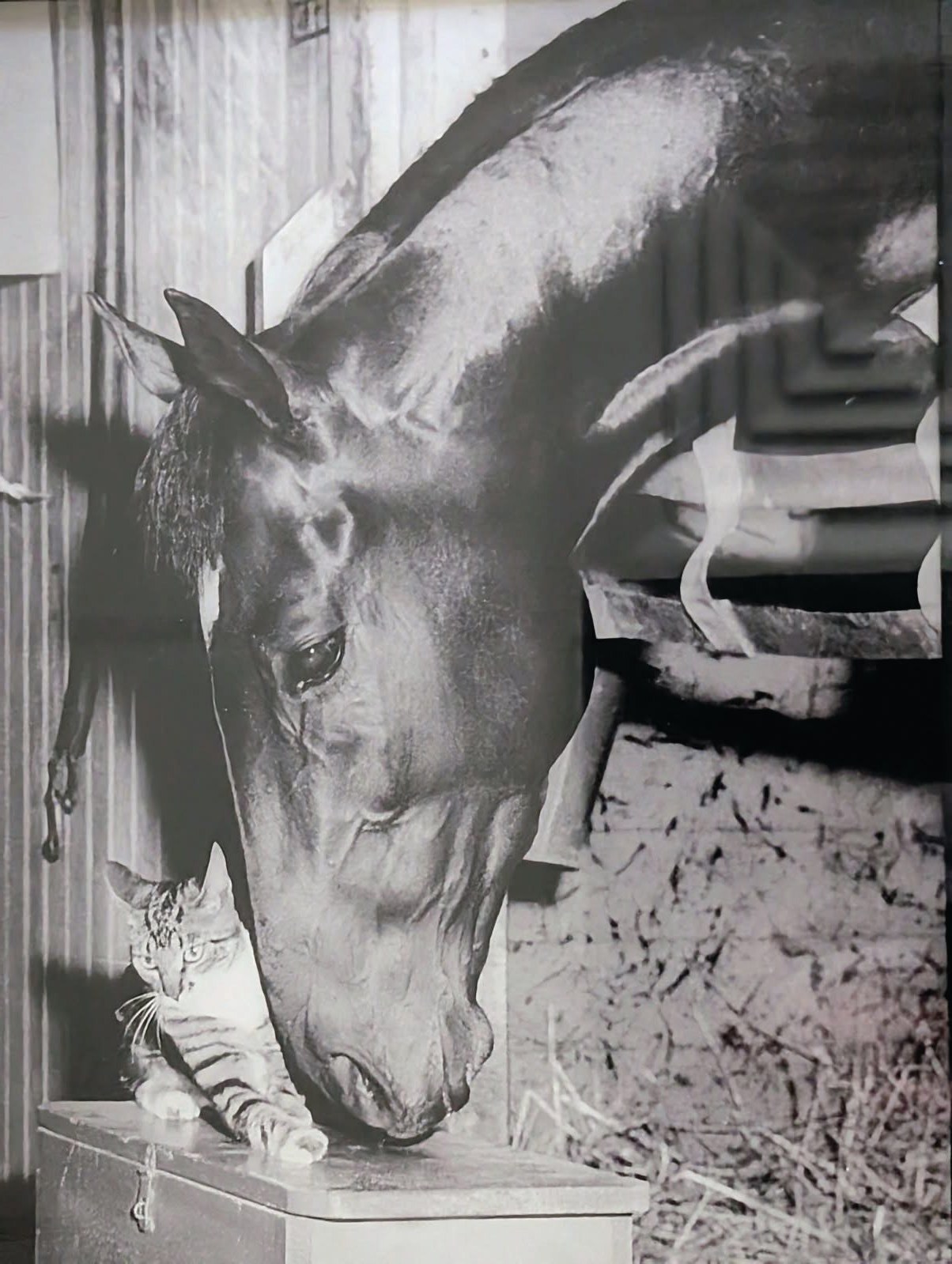
OCALA, FLORIDA—a place where the hum of hooves is as natural as the cicadas in July. Wander past a fence line and catch the glint of a horse’s eye, and you might feel it: history, pride, and the pulse of a town built on Thoroughbreds. And if there’s a single horse who embodies the spirit of this equestrian enclave, it’s Needles.
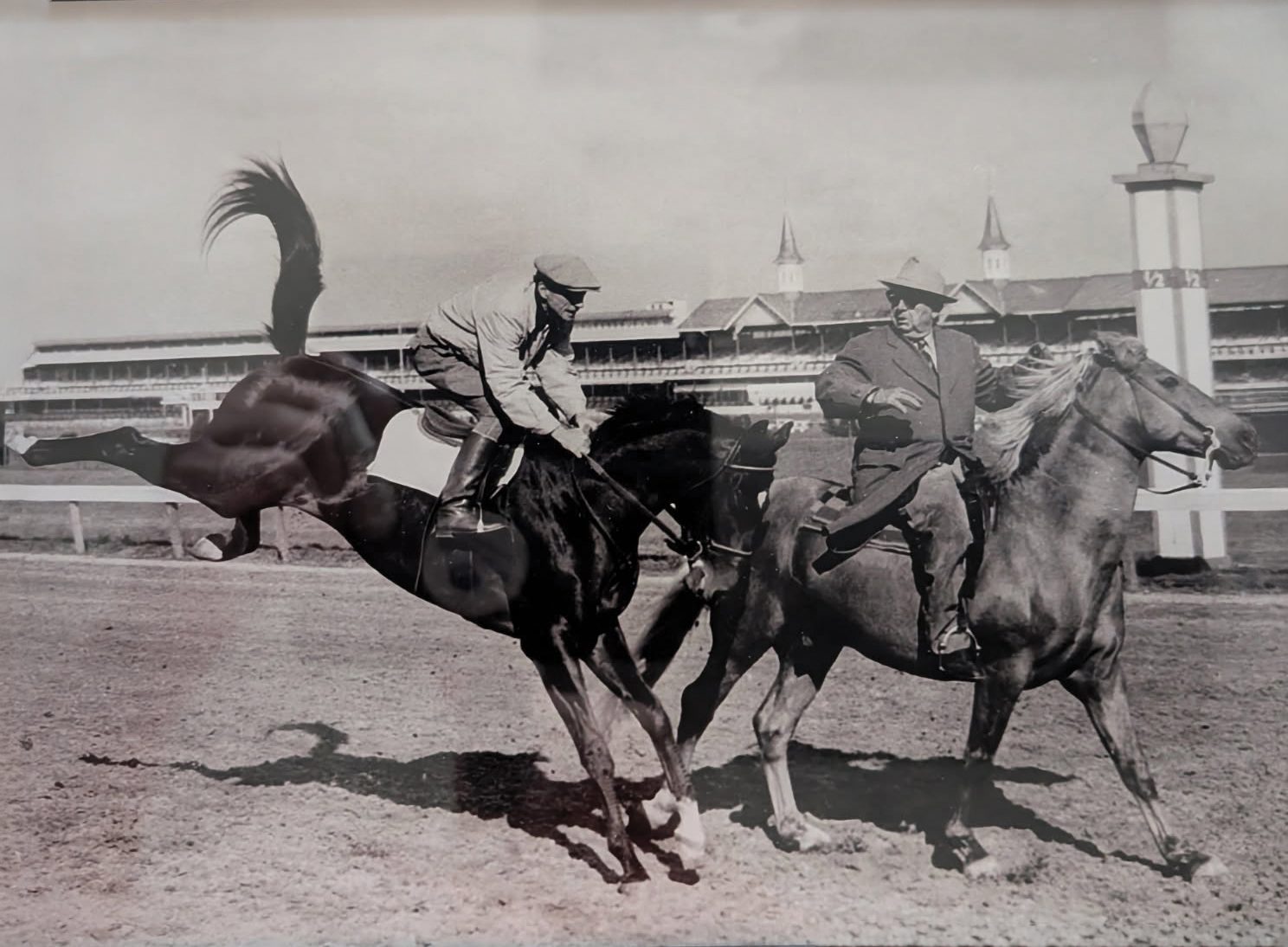
Needles wasn’t a horse you forgot easily. Stubborn, feisty, independent—he ran the racetrack on his own terms. During Kentucky Derby week training, he bucked his rider almost to the point of panic, a show of temper that whispered, I know what I’m doing here. And yet, when the gates opened, he was all heart and hooves, winning the first leg of the Triple Crown and cementing his place in history.
But Needles’ story is more than victories and ribbons. It’s a window into the world that made those wins possible: Ocala itself. Long before his triumphs, this county’s connection to horses was deep, organic, and practical. The Seminole tribes raised horses; stagecoach stops lined with shade trees guided travelers and their mounts; farms trained animals for both work and sport. Horses weren’t just companions—they were livelihood, culture, and community.
The Little Horse That Put Ocala on the Map
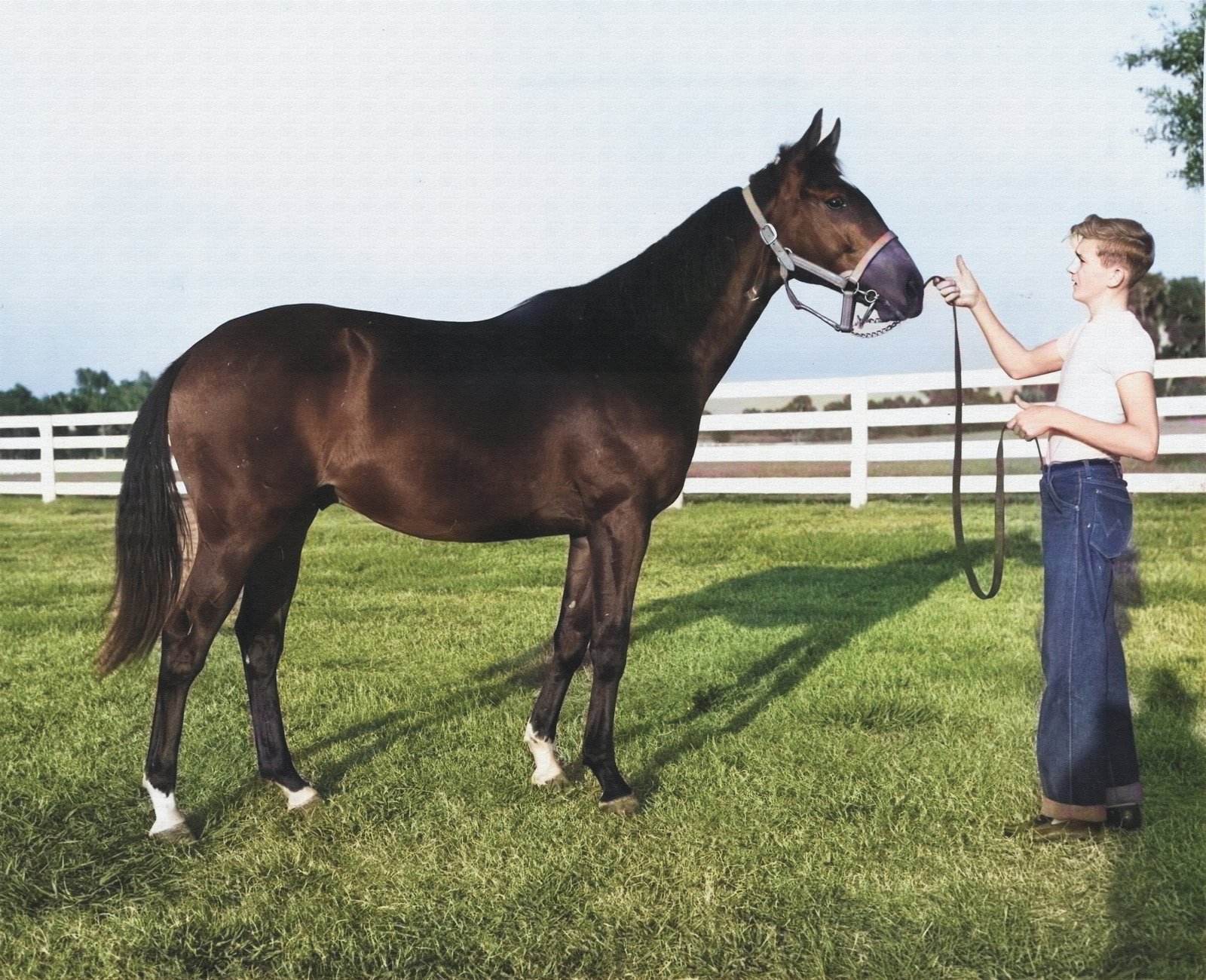
Sometimes, history arrives quietly, disguised as a small, unassuming thing. Needles was that kind of history. A Florida-bred colt, modest in size but enormous in heart, he carried more than his jockey’s hopes onto the track—he carried the destiny of Ocala itself. Before Needles, Ocala was little more than a whisper in the horse world: a handful of small farms, a few breeding mares, and the fragile dream that Florida might one day rival Kentucky and New York.
His pedigree hinted at promise, though not everyone noticed. His sire, Ponder, had won the 1949 Kentucky Derby, and his grandsire hailed from Calumet Farm. His dam, Noodle Soup, was a daughter of Jack High, whose victories included the Hopeful Stakes and the Metropolitan Handicap. On paper, the ingredients were there, but the recipe for greatness was far from guaranteed. Florida-bred horses were often dismissed as inferior, little more than hopeful experiments in a sport dominated by East Coast bluebloods. Yet Needles quietly, stubbornly proved that assumptions could be overturned.
Career Timeline
Lasting Legacy
The Little Horse Who Changed Everything
…And they’re OFF!
Foaled in Florida
Fragile beginnings; the injections that kept him alive inspire the name Needles.
Debut Victory
Gulfstream Park
Explosive maiden win by 5 lengths.
Sapling Stakes
First major stakes triumph.
Hopeful Stakes, Saratoga
Brilliant closing kick; wins by 3½ lengths. Champion 2-Year-Old Colt (first Florida-bred in history).
Flamingo Stakes & Florida Derby
Signature rallies; record-setting Derby prep.
winner!
Kentucky Derby
From 24 lengths back to victory.
First Florida-bred Derby champion
Preakness & Belmont
Grit, stamina, and heart define his Triple Crown campaign.
Stallion Era
A foundation sire who elevated Florida’s breeding industry.
Beloved Ocala Legend
A playful, unforgettable personality who drew visitors for decades.
Needles Record
21
starts
11
wins
3
seconds
3
thirds
$600,355
earnings
Trained by: Hugh L. Fontaine
Riders: Johnny Choquette, who rode Needles in nine of his 10 starts as a 2-year-old; Eddie Arcaro, who rode him in the World’s Playground Stakes; and Dave Erb, who rode Needles in all of his races in 1956 and 1957.
Needles was inducted into the Racing Hall of Fame in 2000.
Showing remarkable versatility, Needles won races at nine different distances from 4 ½ furlongs to 1 1/2 miles, while setting or equaling track records at 4 ½ furlongs, 5 ½ furlongs, one mile, 1 1/16 miles, and 1 1/8 miles.
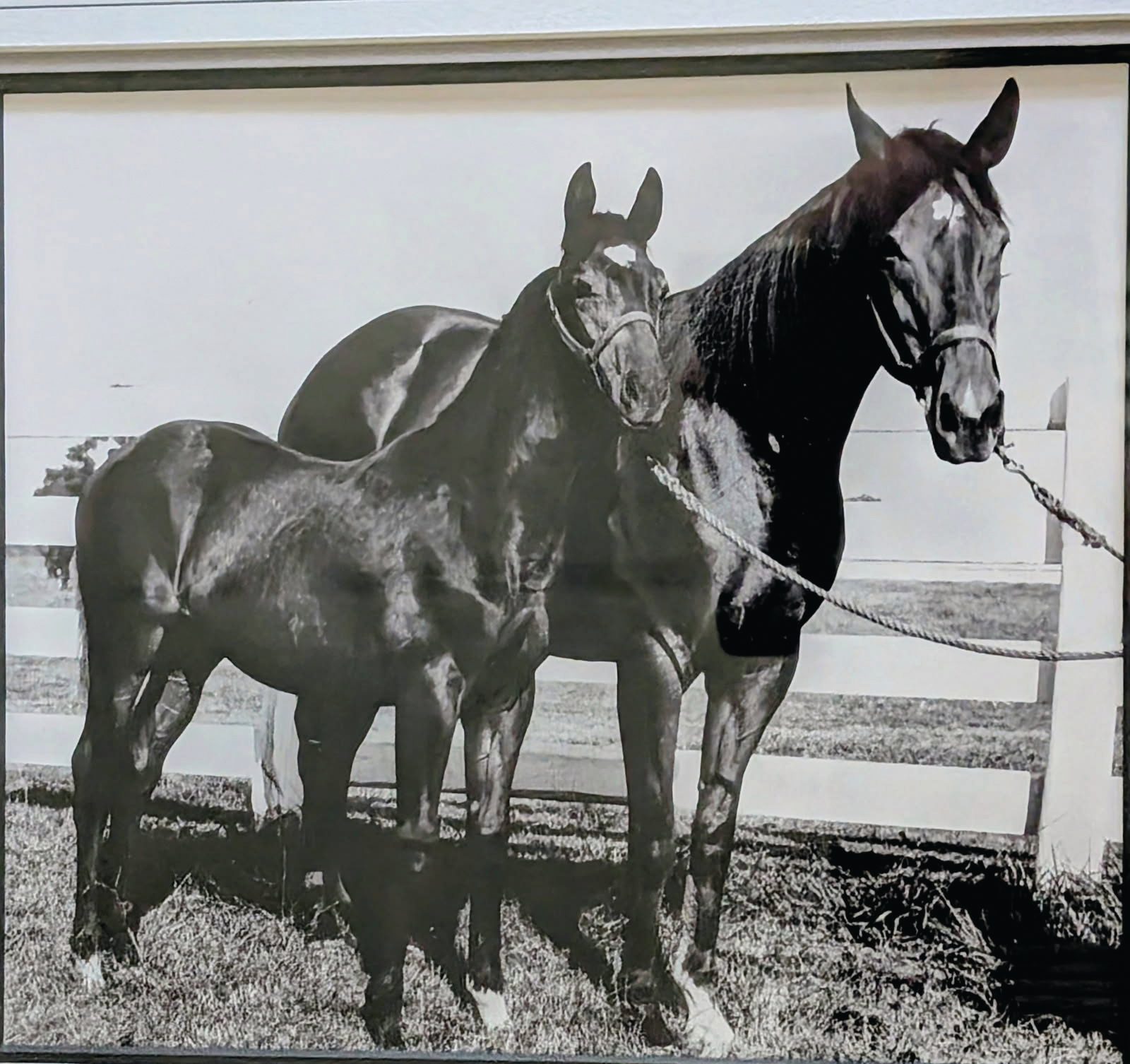
Fragile as a foal, Needles required frequent injections, earning his name as a cheeky reminder of the care that kept him alive. Those early hardships shaped a horse independent, strong-willed, and wary of people. His handlers saw beyond the stubborn exterior, nurturing a spark of potential with patience and respect—a philosophy that would become a hallmark of Ocala horsemanship.
Needles made his racing debut on March 29, 1955, at Gulfstream Park in a 4½-furlong maiden race. He won by five lengths, gate-to-wire, announcing his arrival with quiet confidence. A week later, a stumble out of the gate cost him a higher finish in the Gulfstream Park Juvenile Stakes, but he still demonstrated a remarkable late surge. Wins in allowance races at Gulfstream and Monmouth Park followed, culminating in a defining moment at the Sapling Stakes, where he earned his first stakes victory and a hint of greatness to come.
Saratoga’s Hopeful Stakes that summer solidified his reputation. True to form, Needles lagged early before unleashing a breathtaking burst in the homestretch, winning by 3½ lengths. He had compiled the strongest record of any 2-year-old colt, earning championship honors—the first Florida-bred ever to do so.
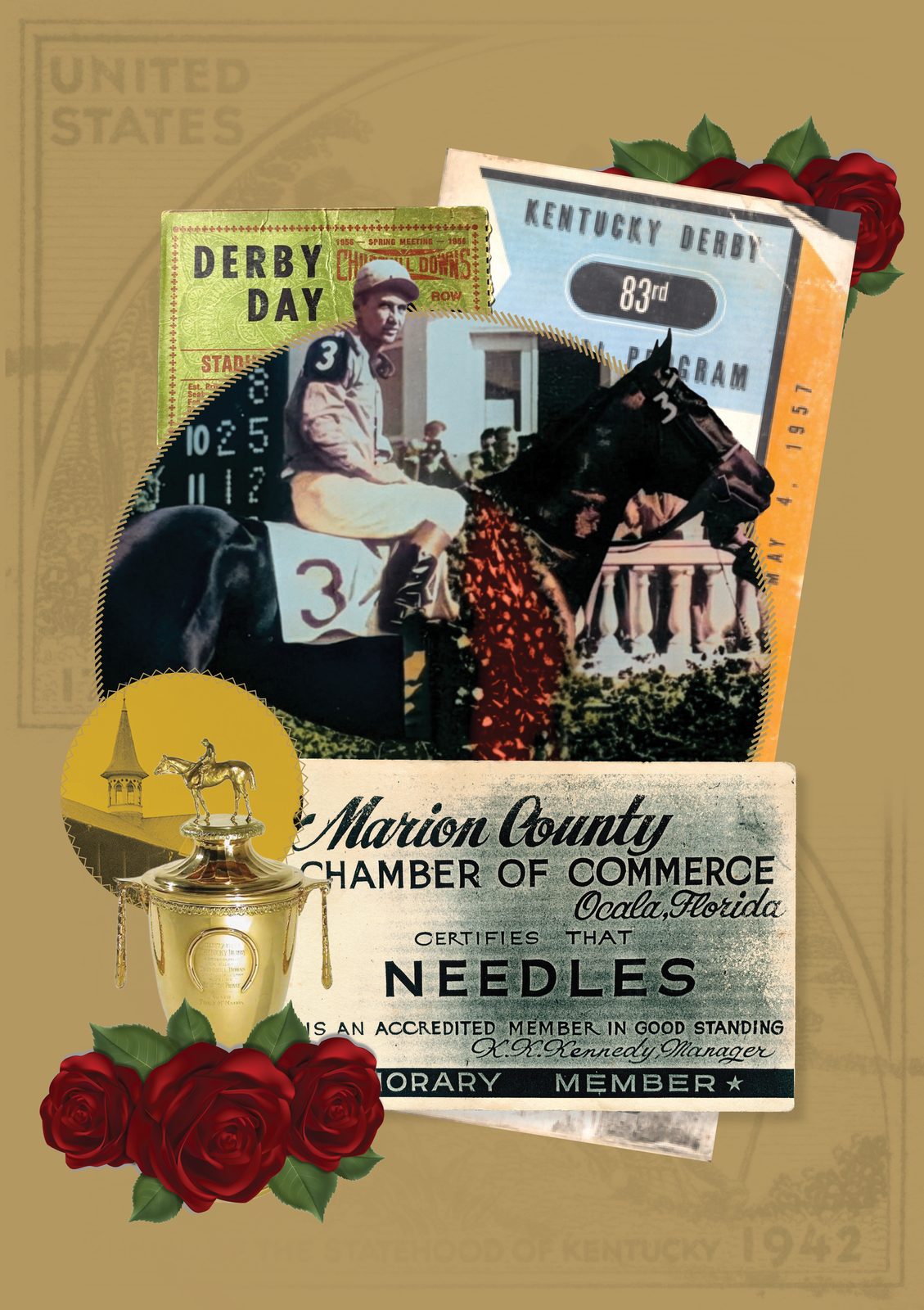
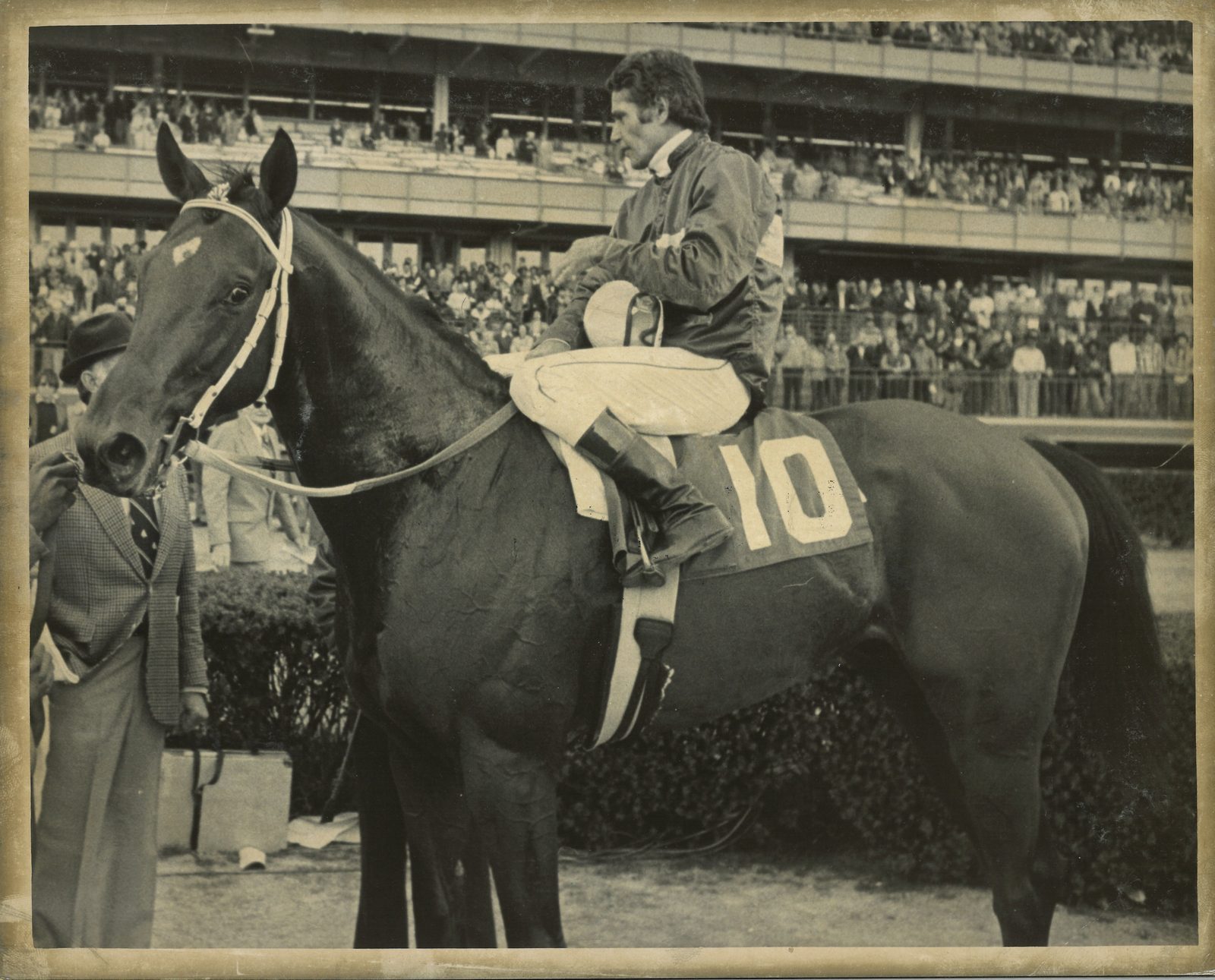
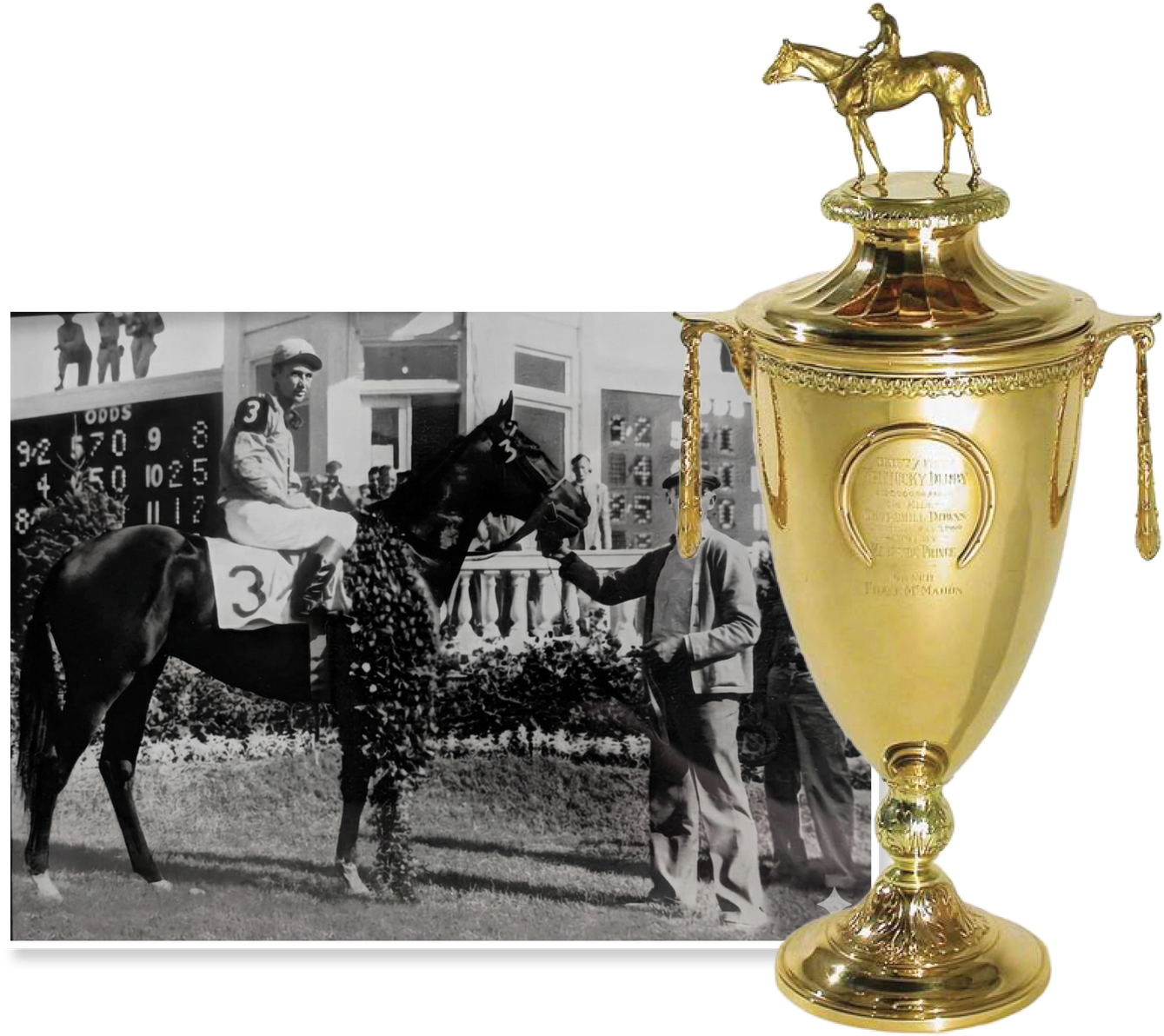
The following year solidified his legend. At three, Needles began with a solid second-place finish in a prep race at Hialeah Park before winning the Flamingo Stakes with a masterful rally from the back of the pack. He followed with a record-setting Florida Derby performance, setting the stage for his entry into the Kentucky Derby. Despite a six-week break—a risk in the eyes of skeptics—Needles arrived at Churchill Downs ready. The Derby unfolded like a storybook: from 24 lengths behind, he surged past the elite, defeating Calumet Farm’s Fabius by three-quarters of a length.
Florida had a champion, Ocala had a hero, and the racing world could no longer dismiss southern bloodlines.
Needles’ resilience carried him through the Preakness and Belmont Stakes, cementing his place in history. His performances were not just victories; they were a challenge to the status quo, a demonstration that grit, heart, and a deep understanding of a horse’s nature could defy expectations. Even after racing, Needles shaped Florida’s breeding landscape, producing robust and versatile offspring and continuing to teach lessons about patience, care, and respect for the horse’s temperament.
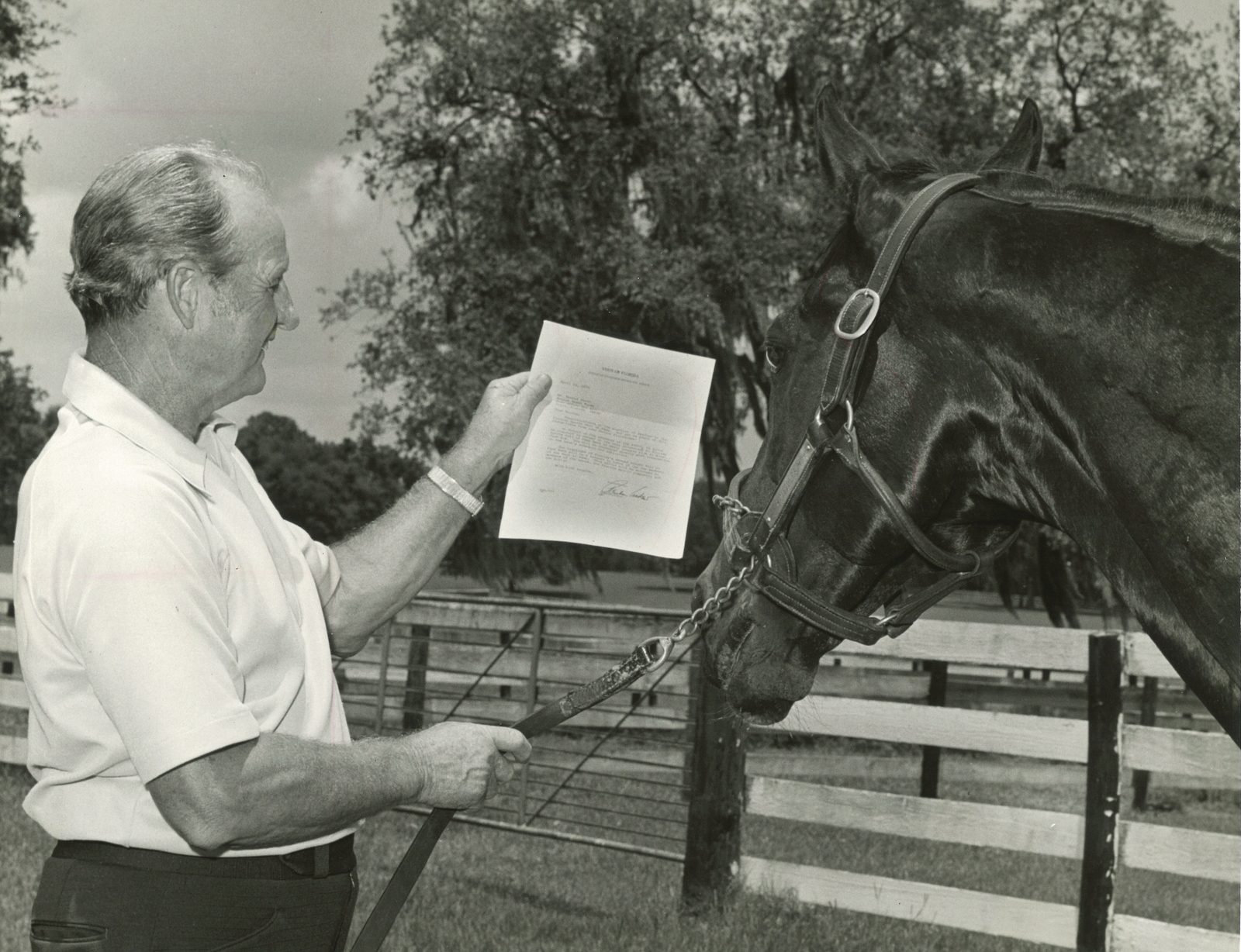
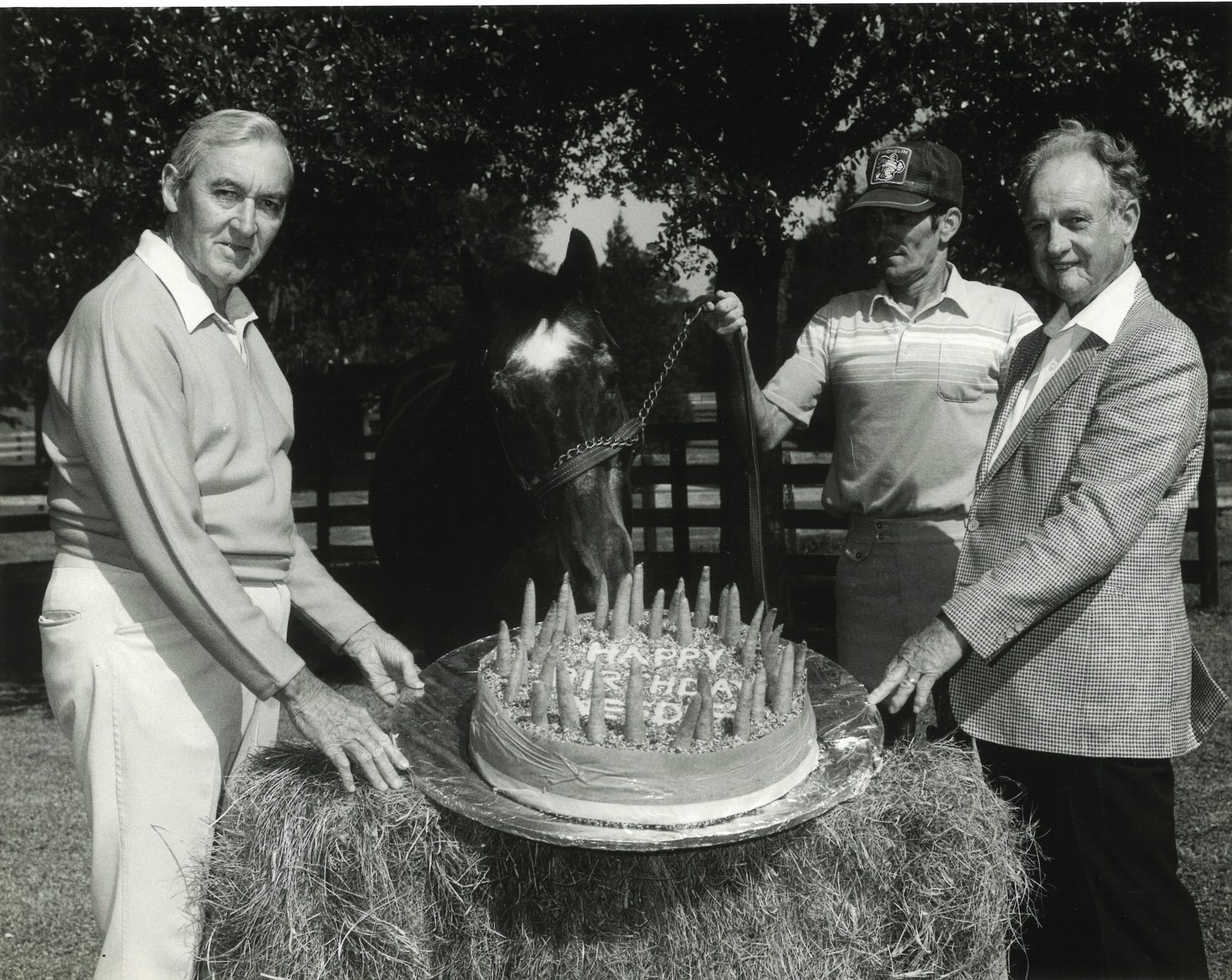
In retirement, Needles retained his playful, feisty, and unforgettable personality. Visitors marveled at his presence, celebrated his birthdays, and snapped photos with a horse who had transformed a town. Needles’ story is not simply a tale of speed and trophies; it is a meditation on excellence, independence, and the human-animal bond. It reminds us that greatness often arises in unexpected places and that sometimes, the smallest actors leave the largest footprints.
Needles’ life exemplified what good horsemanship looks like: patience, attention, and an almost reverential understanding of the horse’s nature. He trusted his handlers enough to perform spectacularly, yet never surrendered his independence. His legacy extends beyond statistics and victories; it lives in the philosophy of Ocala’s horse community, a town that learned, through horses like Needles, that excellence comes from listening as much as leading.
Part 2:
THE BIRTH OF THE EQUINE INDUSTRY IN MARION COUNTY – MILESTONES AND HISTORIC FARMS
Horses have been part of Ocala’s rhythm long before it called itself the Horse Capital of the World® in 1997. They were here with the Seminole tribes, shaping life and labor, and trotted along shaded stagecoach roads planted for the comfort of both man and beast. By the time the first Thoroughbred farms appeared, a foundation of horse culture—practical, patient, and deeply rooted—was already established.
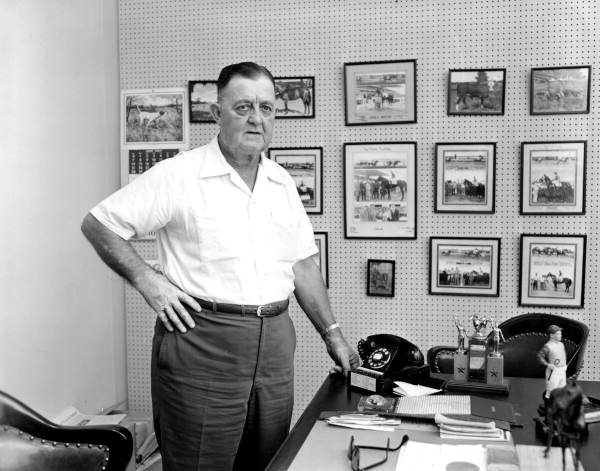
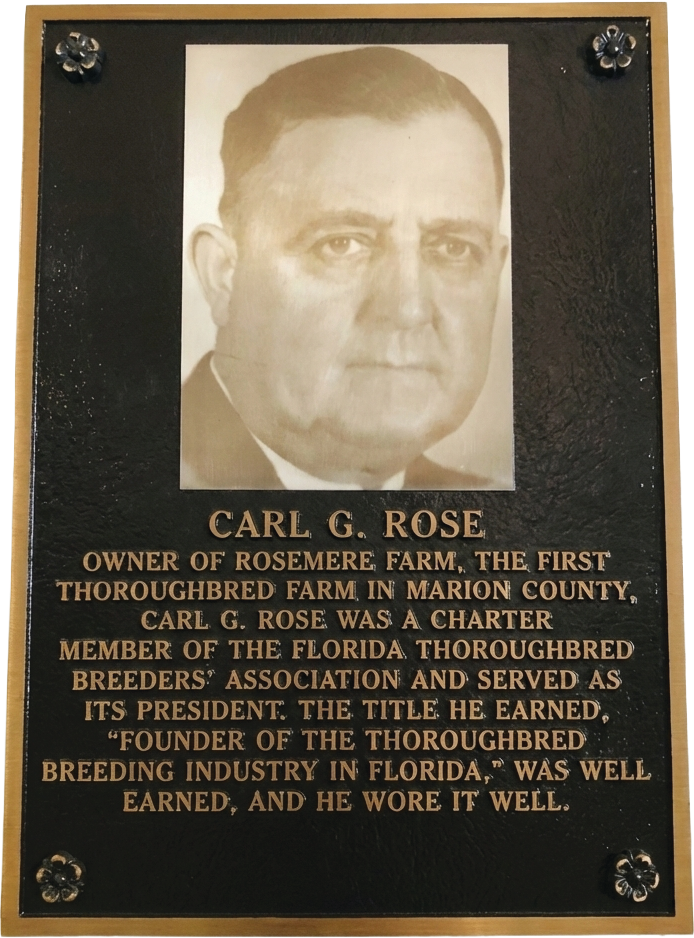
Carl Rose, a road builder from Indiana, arrived in 1916 to supervise Florida’s first asphalt roads. Experimenting with the limestone-rich soils of north Central Florida, he discovered that the naturally calcium-heavy terrain was perfect for strengthening horses’ legs. By 1918, Rose had moved to Ocala and begun buying hundreds of acres, planting the seeds for more than 30 Thoroughbred farms by his death in 1963. His vision laid the groundwork for a small bay colt named Needles to change everything in 1956.
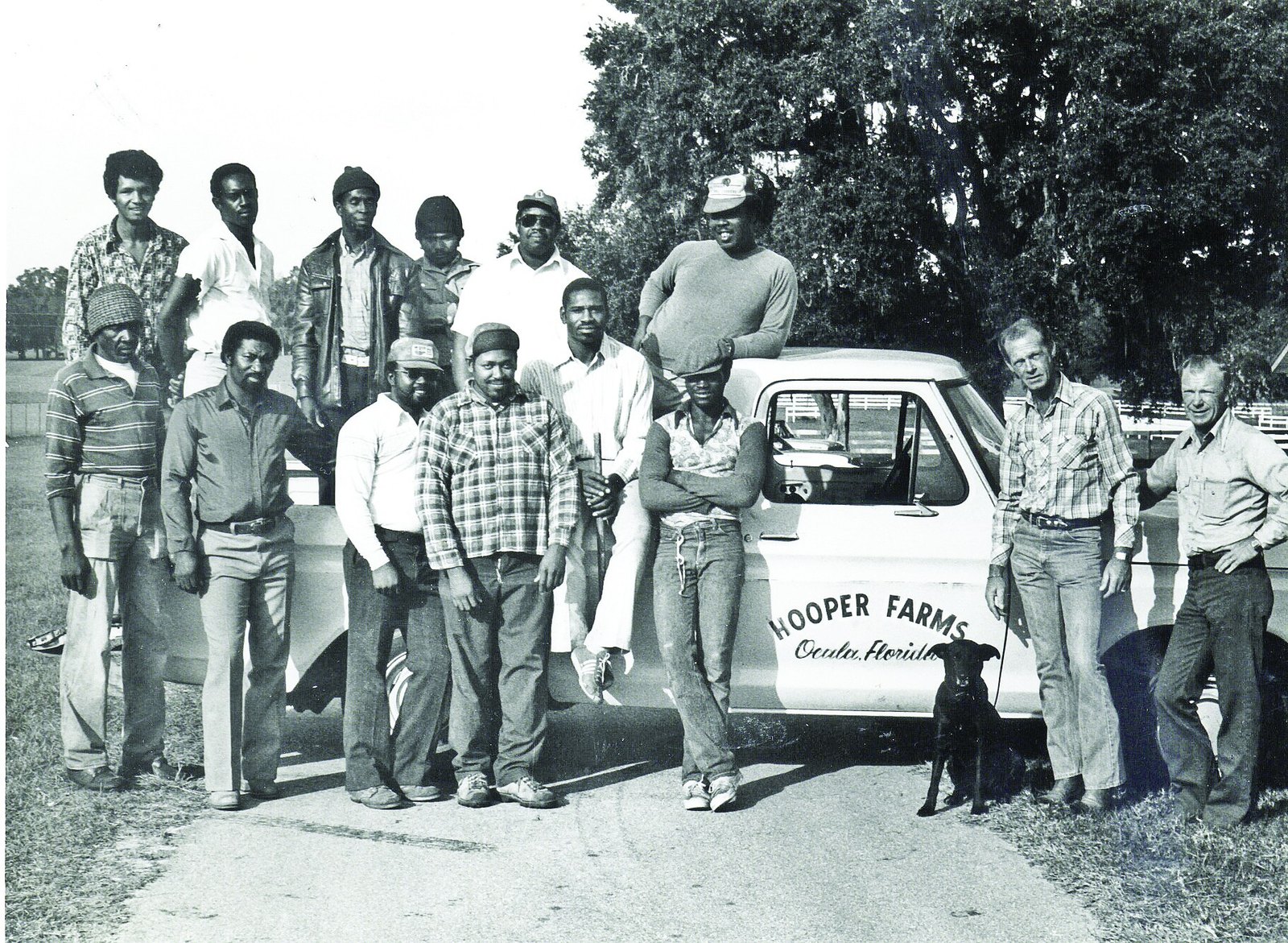
Photo Courtesy of Katherine Todd Smith
Fred Hooper, an Alabama native who made his fortune in roads and quarries, became another towering figure. Hooper brought down a team of skilled workers—the famed “Alabama Gang”—many with experience in dairy, whose expertise translated seamlessly to Thoroughbred management. Hooper Farms became a classroom, museum, and stage all in one. School groups, tourists, and locals could feed yearlings, watch exercises, and meet ponies up close. Horses weren’t simply observed, they were understood.
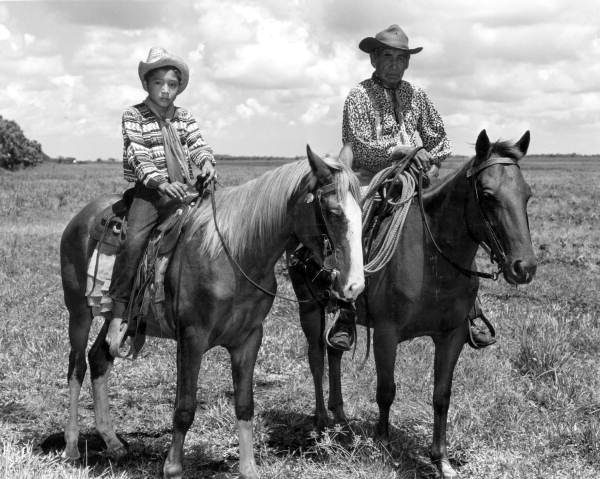
Other farms left their mark, too. Hobeau Farm trained Thoroughbreds in the morning and herded cattle in the afternoon, producing horses with both speed and “cow sense,” a rare combination that impressed trainers and spectators alike. Photographs from the era capture horses in western saddles, moving with a grace that belied their racing prowess. Discipline and freedom weren’t mutually exclusive—they were complementary, a philosophy that would define Ocala horsemanship for decades.
From Limestone to Legacy

Seminole Roots & Stagecoaches
Horses are central to Seminole life; stagecoach roads are planted with shade trees.

Discovery
Carl Rose arrives to build asphalt roads and discovers the limestone-rich soil is perfect for bone density.
The First Farms
Rose moves to Ocala and begins buying land, eventually establishing the region's Thoroughbred foundation.

The Builders
Fred Hooper and the "Alabama Gang" bring dairy expertise to horse management.

The Turning Point
Needles, the bay colt, wins big. His victory validates the ecosystem and changes Ocala’s trajectory forever.

A Legacy Secured
By Rose’s death, over 30 Thoroughbred farms are established in the area.

Recognition
Ocala is officially named the “Horse Capital of the World®.”

A Diverse Ecosystem
The rise of WEC, HITS, and the Florida Horse Park.

Expansion
WEC expansion, the Ocala Jockey Club restoration, and the continued growth of the 300-acre development.
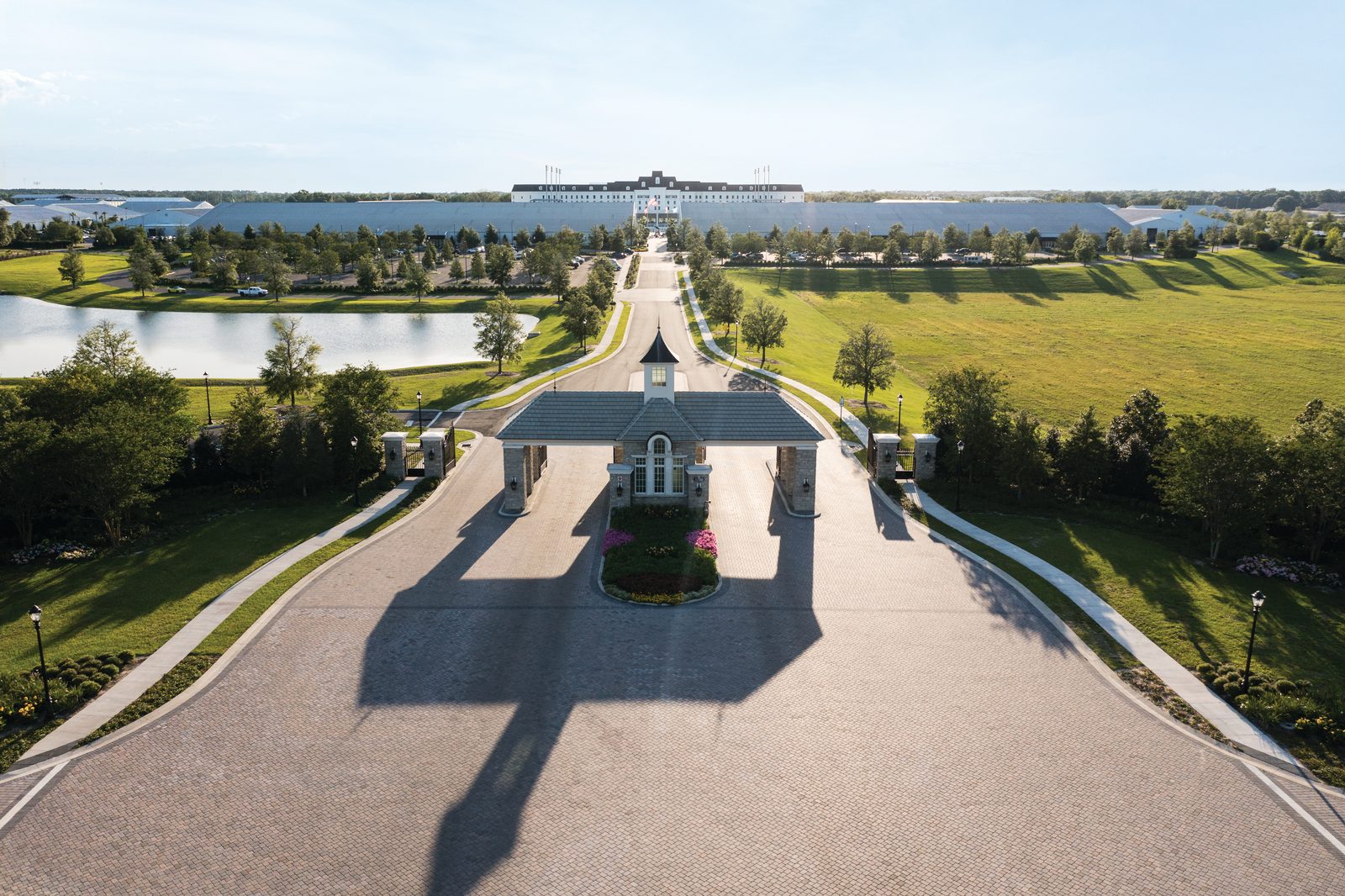
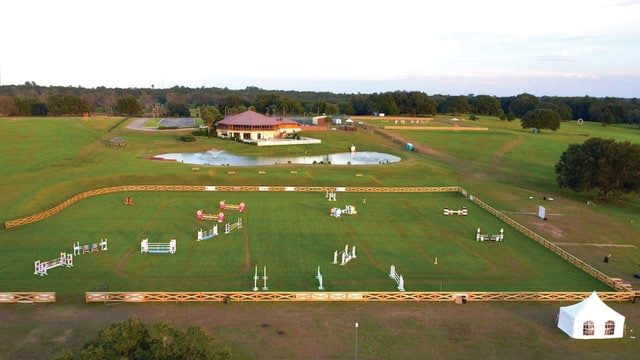
Today, Ocala’s equestrian world is a kaleidoscope: dressage, show jumping, hunter and equitation competitions, Thoroughbred racing, rodeo, barrel racing, steeplechase and polo. One truth unites them all: the partnership of horse and rider. Whether at the World Equestrian Center (WEC), HITS Ocala, the Florida Horse Park, or FTBOA, Ocala nurtures the horse-and-rider bond across thousands of acres, offering facilities for competition, training, and leisure alike.
Numbers tell the story: more than 75 percent of Florida’s Thoroughbred farms and training centers are in Ocala. Marion County has more horses and ponies than any other U.S. county—one equine for every five residents. The local equine industry generates $4.3 billion annually—about 22% of the county’s GDP—and supports 28,500 jobs. Of the county’s 75,000 horses, nearly half are Thoroughbreds, totaling approximately 34,000.
And there is still more to come. WEC Ocala has 300 acres reserved for future development, a second hotel with nearly 400 pet-friendly rooms, and the acquisition of the 900-acre Ocala Jockey Club for restoration and expansion. What started with limestone, vision, and a handful of farms has blossomed into a thriving equine ecosystem, where history, culture, and modern innovation converge.
Connecting Past and Present
Fast forward to today, and Ocala’s equestrian culture has expanded beyond the racetrack. Needles’ victories catalyzed this growth. When he captured national attention, he drew eyes—and investment—to Ocala. Bloodlines were studied, farms flourished, and the local equestrian economy expanded. Champions attracted breeders, trainers, families, visitors, and enthusiasts, sustaining a community rooted in horse culture. Today, the industry contributes significantly to local GDP, supports thousands of jobs, and preserves tens of thousands of acres of open pastures and trails.
Ocala’s multi-discipline ecosystem reflects its adaptability. Racehorses coexist with therapy programs for veterans, children, and individuals with special needs. Show horses and trail riders share the landscape. Retired champions live on farms as ambassadors, bridging history with contemporary culture. Horsemanship values of patience, observation, and respect continue to guide the town’s identity.
Needles embodies this continuity. From racing glory to breeding contributions to retirement, he bridged Ocala’s Thoroughbred origins and its current multi-discipline identity. Visitors still learn from his legacy, whether touring a farm, attending a show, or participating in a therapy program. His life demonstrated that horses are not merely performers; they are educators, cultural icons, and community touchstones.
Today, the town pulses with its equine heritage. Trails, barns, and arenas host year-round activities, sustaining tourism and the local economy. Shade trees along historic carriage roads whisper stories of Seminole horsemen, stagecoach routes, early breeders, and champions like Needles.
In Ocala, past and present gallop side by side. Hooves echo with history, carrying stories, dreams, and legacies. And if you listen closely, you can hear Needles—spirited, feisty, mischievous—reminding the world why Ocala exists: for the love of horses, the pursuit of excellence, and a community that grows alongside them.
A Look Back