Horses, Horizons, and the Heart of a Legacy
Photography courtesy of the Dutta Corporation, Ken Braddick and the Omaha Equestrian Foundation
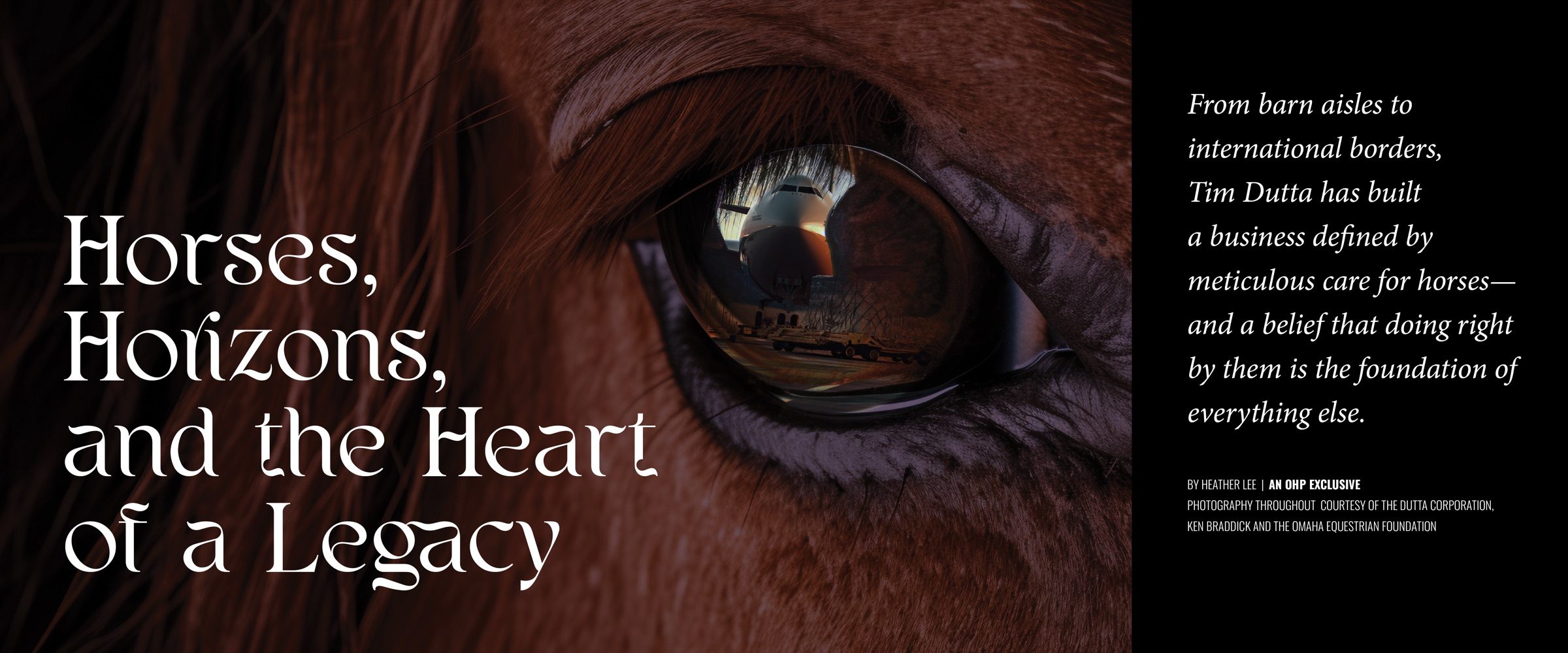
Just before dawn, the airport feels sacred. Floodlights halo the silhouettes of grooms leading warmbloods up loading ramps, steam rising off their coats like early-morning prayers. The low hum of machinery drifts through the quiet tarmac, and the soft, rhythmic snorts of horses punctuate the stillness. These animals do not care that they are about to cross an ocean; they simply move, trusting the hands guiding them. There is a reverence here, a kind of sacred absurdity: flying a 1,200-pound animal through the sky.
Somewhere in that thin line between night and morning is where Tim Dutta’s story begins. Not at the airport, but on a liminal threshold of a different kind: a young high school graduate stepping off a plane from India in 1984 with no roadmap except stubbornness and the grace of the universe on his side.
Four years later, he launched what would become an empire.
“September 13, 1988. That’s the day,” he says with the kind of clarity reserved for birthdays and miracles. “I started in New York, Long Island. And it was me — the janitor, the CEO, the guy who typed the bill.”
Tim didn’t plan a career. He leapt. No business experience, only a conviction that horses deserved better. At the time, international horse transport was a footnote in general freight forwarding. Mangoes on Monday, zoo animals on Tuesday, Olympic-caliber horses on Wednesday — often with the same paperwork and the same shrug.
“To a freight forwarder, a horse was just a pallet with a pulse,” Tim says. “But to a horseman, someone who grew up watching the language of ears and eyes, it was obvious something was missing.”
At 22, he stepped into that gap. He swept stalls, bussed tables, drove a taxi, and groomed horses before transporting them. He watched the industry from the inside, learned its gaps, and quietly promised: horses would no longer be treated as commodities. They deserved care matching their value, their fragility, and the love of the people who depended on them.
The Dutta Corporation began in a borrowed office on Long Island. One desk, one phone, one believer. Over decades, it became the world’s definitive authority in equine air transport.
Tim didn’t just move horses; he elevated the standard, helping shift the industry from commodity shipping into something closer to luxury aviation for elite athletes of the horse world. Today, Dutta Corp. moves more than 6,000 horses a year, touching the circuits that define global sport: Olympic Games, World Cup Finals, Nations Cup, Pan American Games, and an alphabet soup of international events. Yet Tim still remembers the beginning.
“I was the first to do only horses,” he says. Not a boast; a fact.
Even with the 777s, global hubs, and a four-flights-a-week transatlantic rhythm, he remembers sweeping stalls. He remembers how radical that felt.
The founding of Dutta Corp. was its own 4 a.m. loading ramp: a small, unglamorous hinge between what was and what could be.
The Science and Soul of Equine Flight
There’s a moment in every conversation with Tim when he switches gears from CEO to horseman and you can feel the room shift. He talks about stress the way some people talk about their children: tender, fierce, urgent.
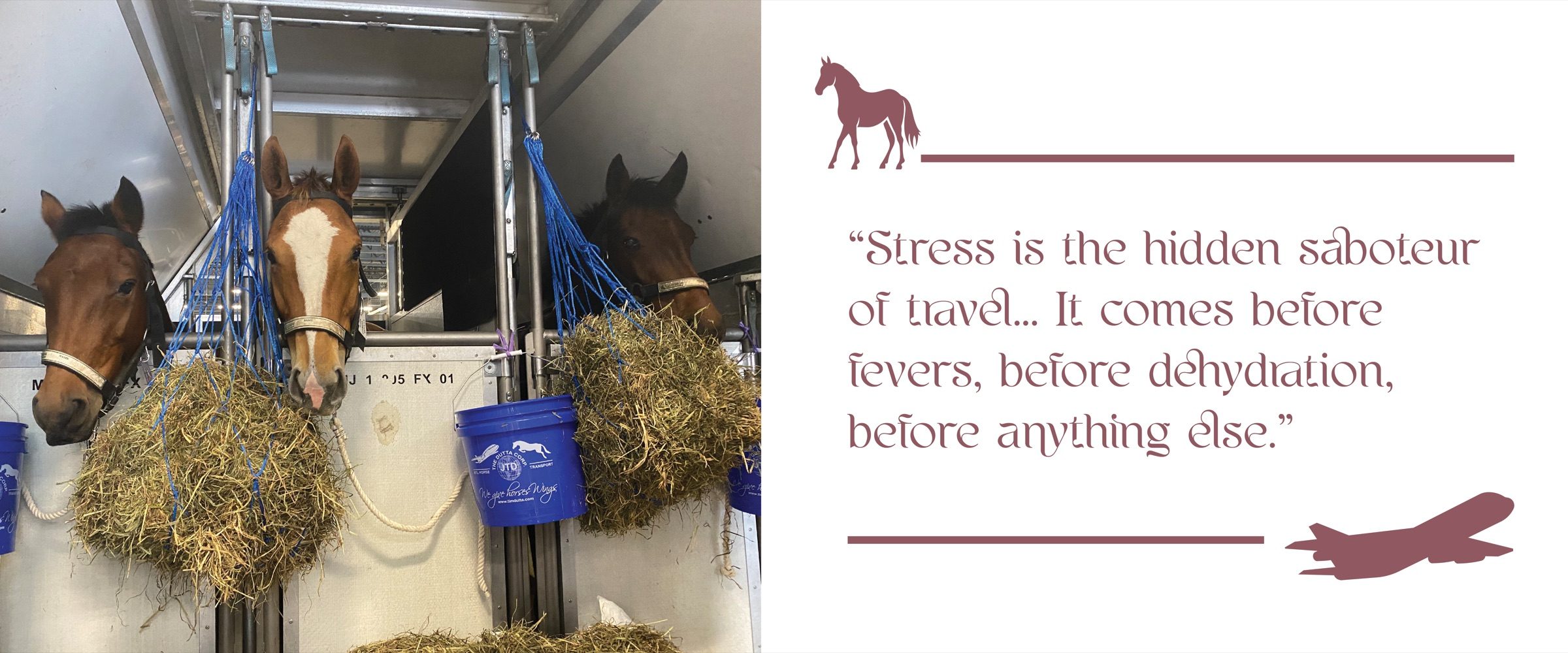
“Stress is the hidden saboteur of travel,” he says. “It comes before fevers, before dehydration, before anything else.”
The flight itself is rarely the problem; it’s how the flight affects the body. Dutta Corp. treats stress the way elite athletes treat recovery: obsessively and holistically. They manage gastric health with UlcerGard and GastroGard, and coax hydration with apple juice, Gallagher’s water, and electrolytes. Temperature is controlled, dust is minimized, hay is carefully prepared, and supplements like magnesium, vitamin C, and B12 support immunity.
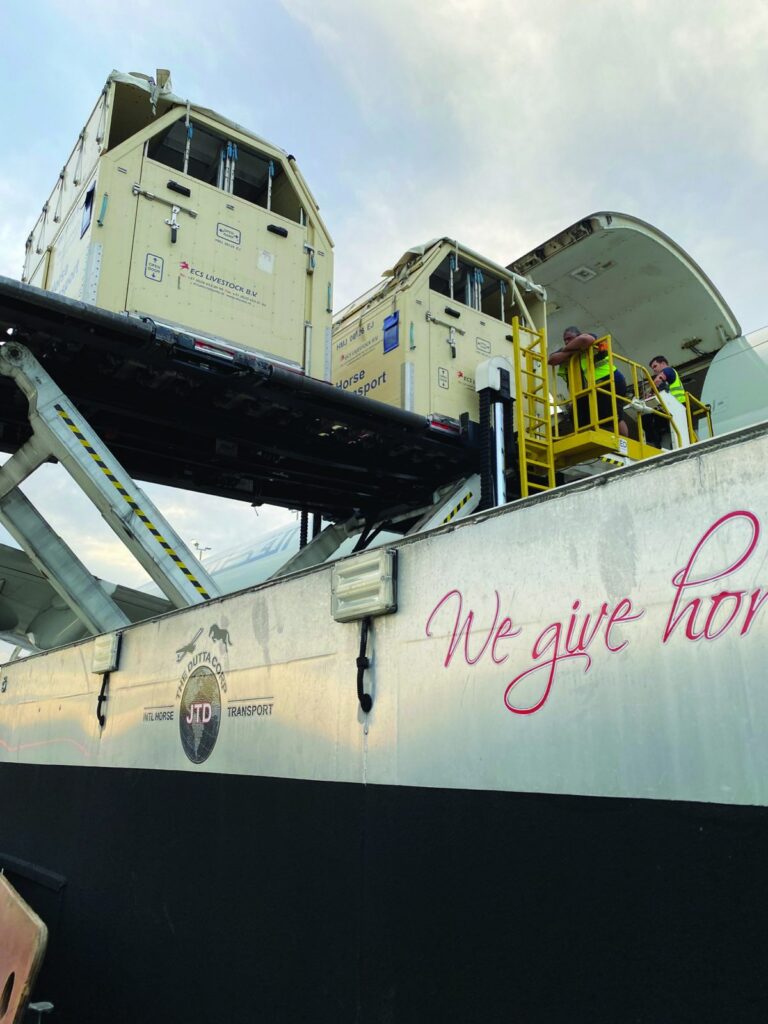
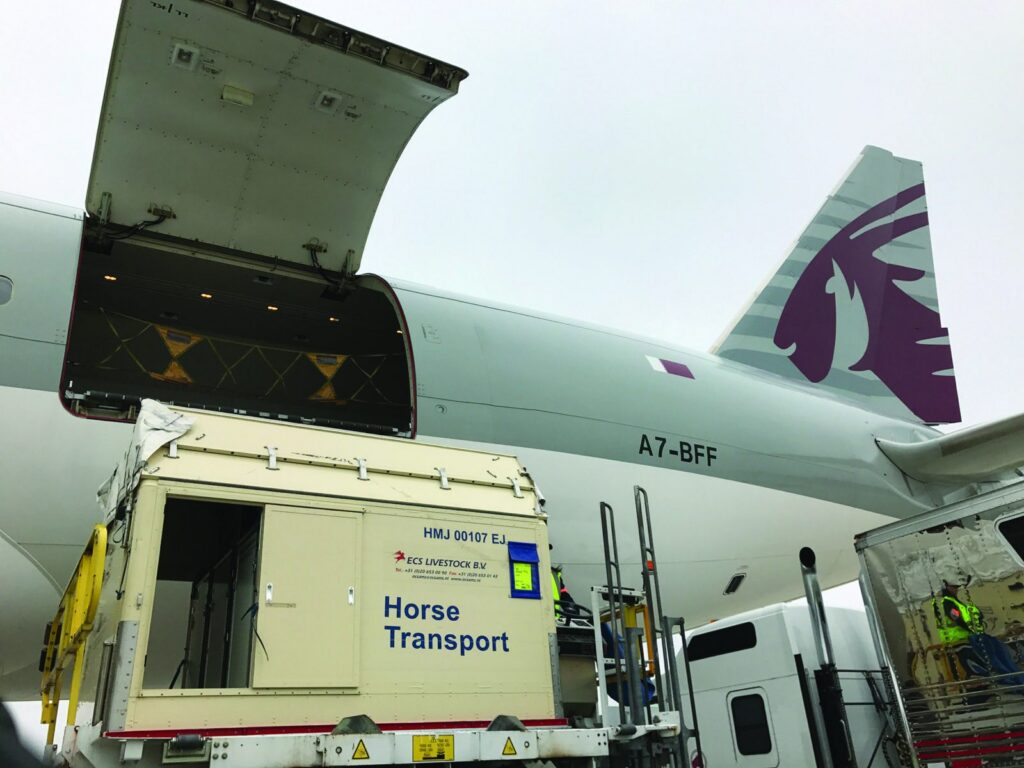
The planes themselves have evolved, too. The Boeing 777 allows fresh air instead of recycled cabin fatigue, and the containers, once crude and rattling, are now soft-padded, vibration-absorbing, and almost tender in their engineering. But the real innovation is horsemanship.
Tim talks about letting a horse stretch its neck at 38,000 feet, allowing nasal passages to drain, preventing infection. Grooms climb aboard, quietly check each horse, and only leave when the back loosens, the breath deepens, and the bracing stops.
But the real innovation is still the people. Still the horsemanship.
“If they’re not settled,” Tim says, “just be with them.”
As if this whole thing — the global logistics, the paperwork, the precision — still comes down to one simple truth: presence heals.
He pauses, then slips into a CEO’s rhythm. “There are two parts to international transport,” he explains. “Imports—horses arriving in the U.S.—and exports, whether a horse is sold, a family is relocating, or someone in the military needs their horse or household pet moved. But most of our work is for the U.S. equestrian team and foreign riders living here, going to shows around the world. Once you call us, your worry is over.”
And what happens in between is everything.
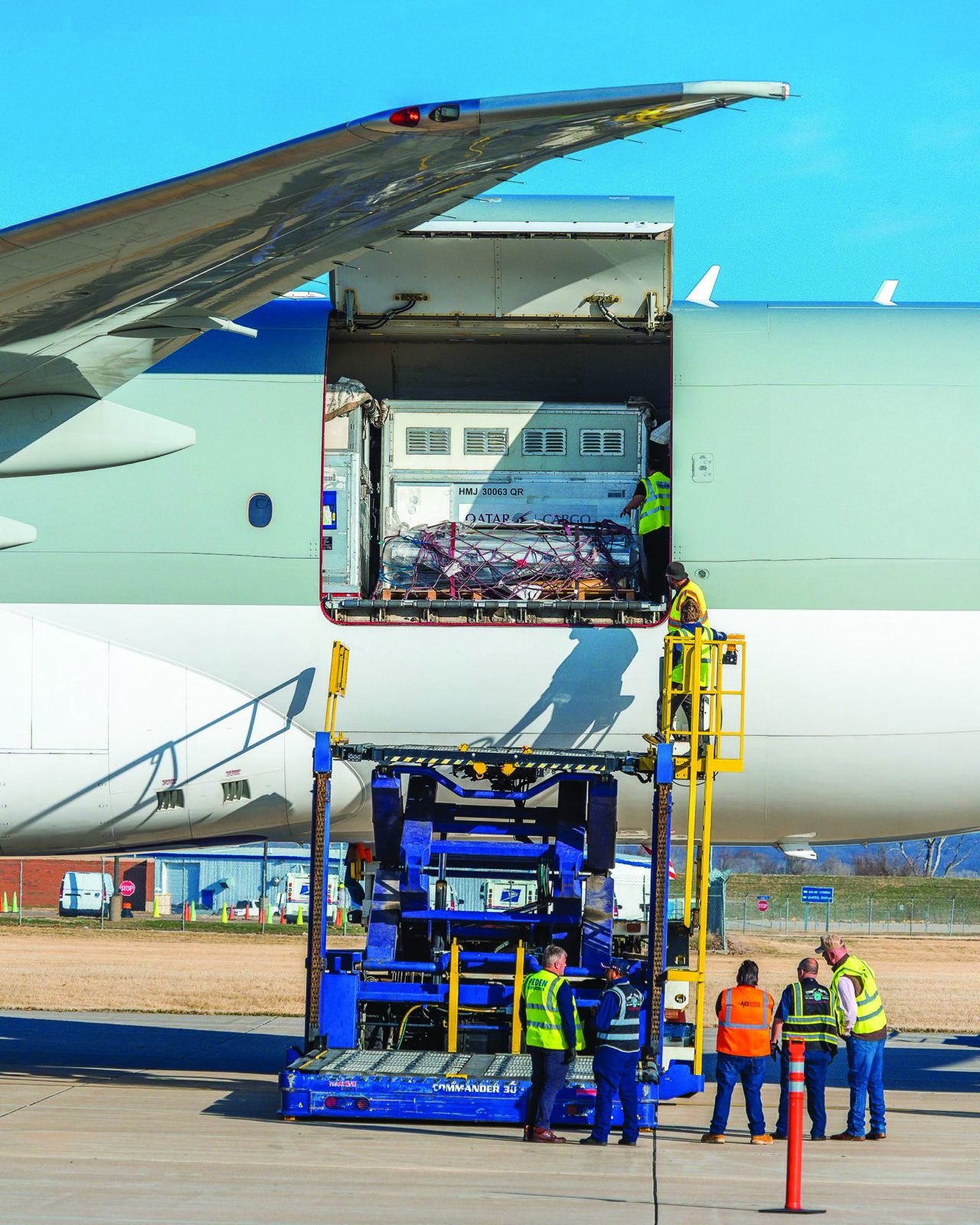
“We’re a hub-and-spoke company,” Tim continues. “We fly four days a week, back and forth from Europe and South America. Capacity is key—no one waits more than ten days for their horse to get on a plane. But it’s not just flights. We coordinate with sellers, veterinarians, labs, customs. We track health tests for sixty days. We schedule the transport, make sure the horse is healthy, comfortable, flying safely, and arrives ready to perform.”
He pauses. “The hardest part? Reading the horse. Sometimes you have two minutes, sometimes a day. Horses are individuals, like humans. You have to give them what they need, without bubble-wrapping them, without stopping them from being horses. Stress-free, safe, on time.”
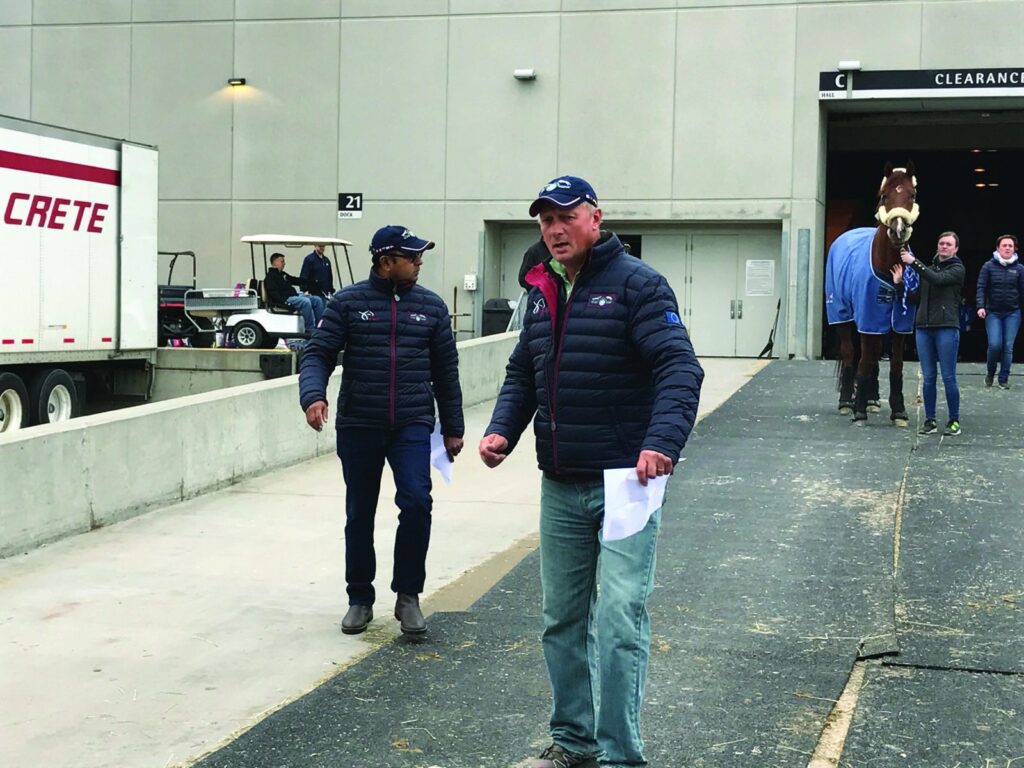
Some weeks are a ballet of logistics: “Next week alone, ninety-six horses arrive in Miami, thirty in New York, eighteen in Chicago. November through January is heavy. Spring is export season. Across the country, from California to New York, shows demand planes, trucks, teams, and constant coordination.”
Every shipment, every flight, every carefully timed move becomes a thread in the invisible fabric of international equestrian sport. For Tim and his team of 36 employees, excellence isn’t a finish line; it’s a posture, a commitment repeated thousands of times over decades.
Shifting Horizons: From China to Ocala
Ask Tim about the future, and his voice takes on a quiet, careful watchfulness, like someone tracing the first light of dawn. He isn’t guessing; he’s noticing. Reading the faint tremors of change in the horizon.
China isn’t a someday market anymore. It’s a frontier warming at the edges, preparing for Olympics, Championships, all the tectonic movement that happens when a country begins saying yes to horses.
And Dutta Corp. feels it. It always does. It is built to read horizons, to notice the first tremor of change before anyone else even senses it.
“There is a tectonic shift happening in the east,” he says. “China is investing, building, signaling. With the Olympics coming and championships stacking up, we’ll see a lot more horses originating there soon.”
“Still, it’s a very new market for us,” he continues. But that isn’t exactly true. Dutta Corp. has already shipped horses to Shanghai for the Global Champions Tour, moving them in the sport’s global rhythm: Europe, China, America, and back to Europe, all building toward Aachen and the World Equestrian Games.
Dutta Corp. is where the map begins to redraw itself, observing, adapting, connecting riders to the paths their horses need to travel. And yet, for all that global movement, the story closest to home unfolds in Ocala.
Though Tim’s business is headquartered in Wellington, Florida—a town long known as a hub for equestrian sport—Ocala has always held a quiet horse-country charm. The arrival of the World Equestrian Center transformed that charm into something grander: a cathedral of competition, so vast and meticulously crafted that even the most jaded riders pause and blink.
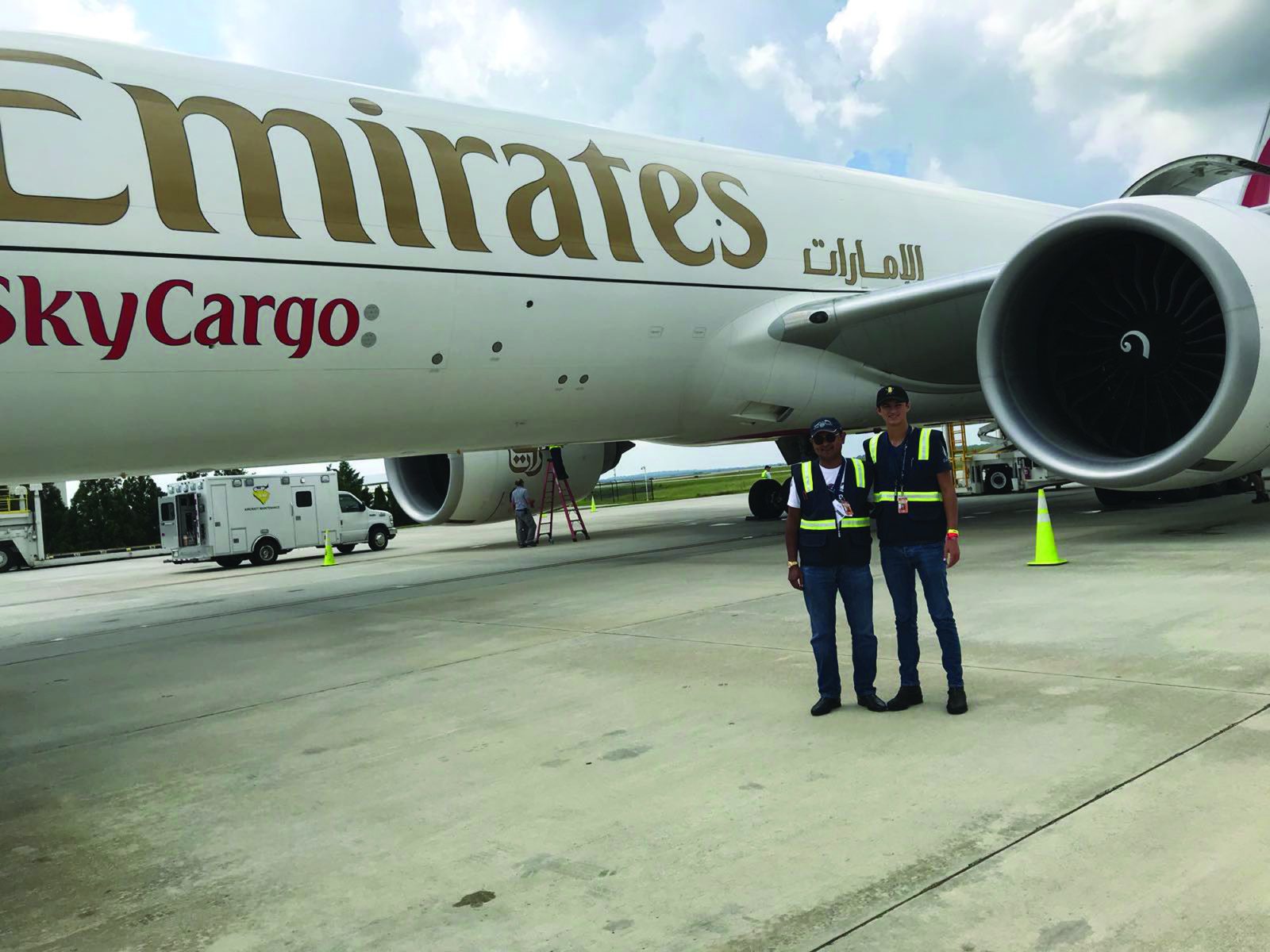
“What the Roberts family built in Ocala is extraordinary,” Tim says. “It’s not just a showground, it’s an ecosystem. You can’t walk onto that property and not feel it. It’s one of the finest facilities in the world,” he adds. “And I’ve been to most.”
Even though every horse still arrives through Miami — because Ocala can’t yet receive the wide-body aircraft needed for horses — the city has become a new equestrian gravity point. The Longines League of Nations chose it. The world followed. People come for the shows but stay for the land, and suddenly Ocala is not just a destination, it’s a crossroads.
This is how a place becomes global without ever losing its local soul.
And Dutta Corp. expanded with it. Adjusted routes. Added complexity. Built systems that could support the constant, living tide of horses arriving for competition.
It is not an exaggeration to say the world flows into Ocala now.
And Dutta Corp. is one of the vessels that carries it.
International riders now don’t just come for a weekend show. They build full seasons, buy property, and base operations year-round. The Longines League of Nations, hosting ten of the world’s best teams, solidifies Ocala as a global destination. Dutta Corp. responds with dedicated ground fleets, streamlined Miami-to-Ocala routing, seasonal ramp-up teams, and concierge services for riders and horses alike.
“Our role is to make Ocala accessible, truly accessible, to the world,” Tim says. “The Roberts family built the cathedral. We help open the doors.”
Even with this growth, Tim remains rooted in principle. The horse always comes first. Business follows naturally when the horse is safe, cared for, and moved with respect.
A Life Defined by Horses
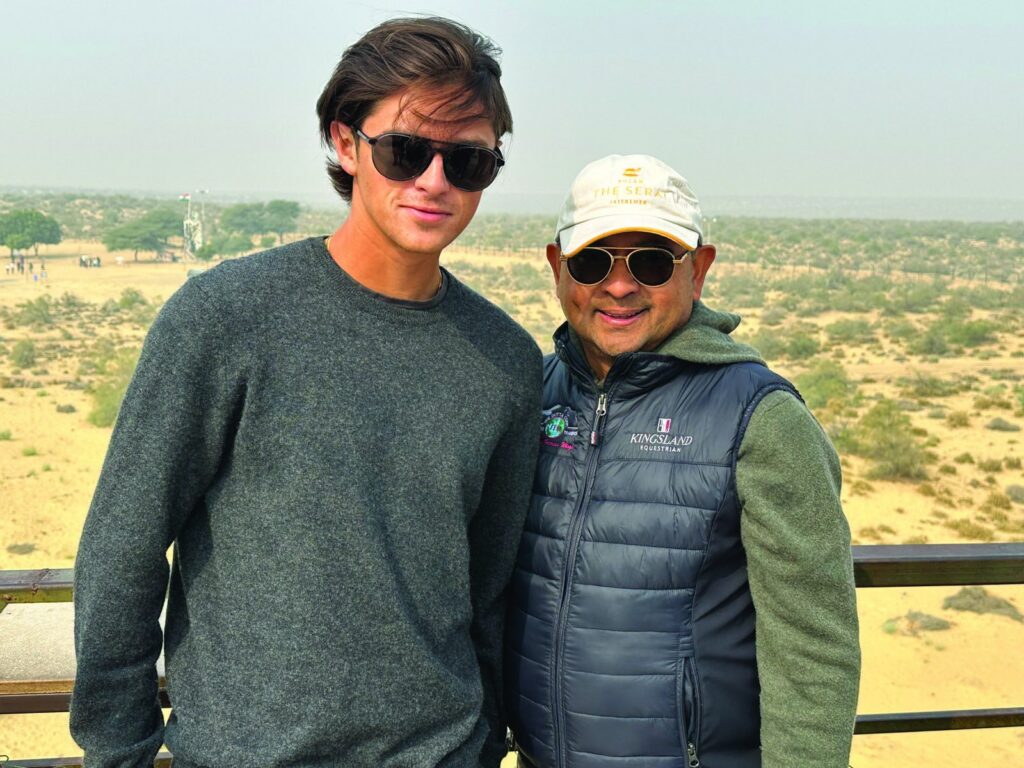
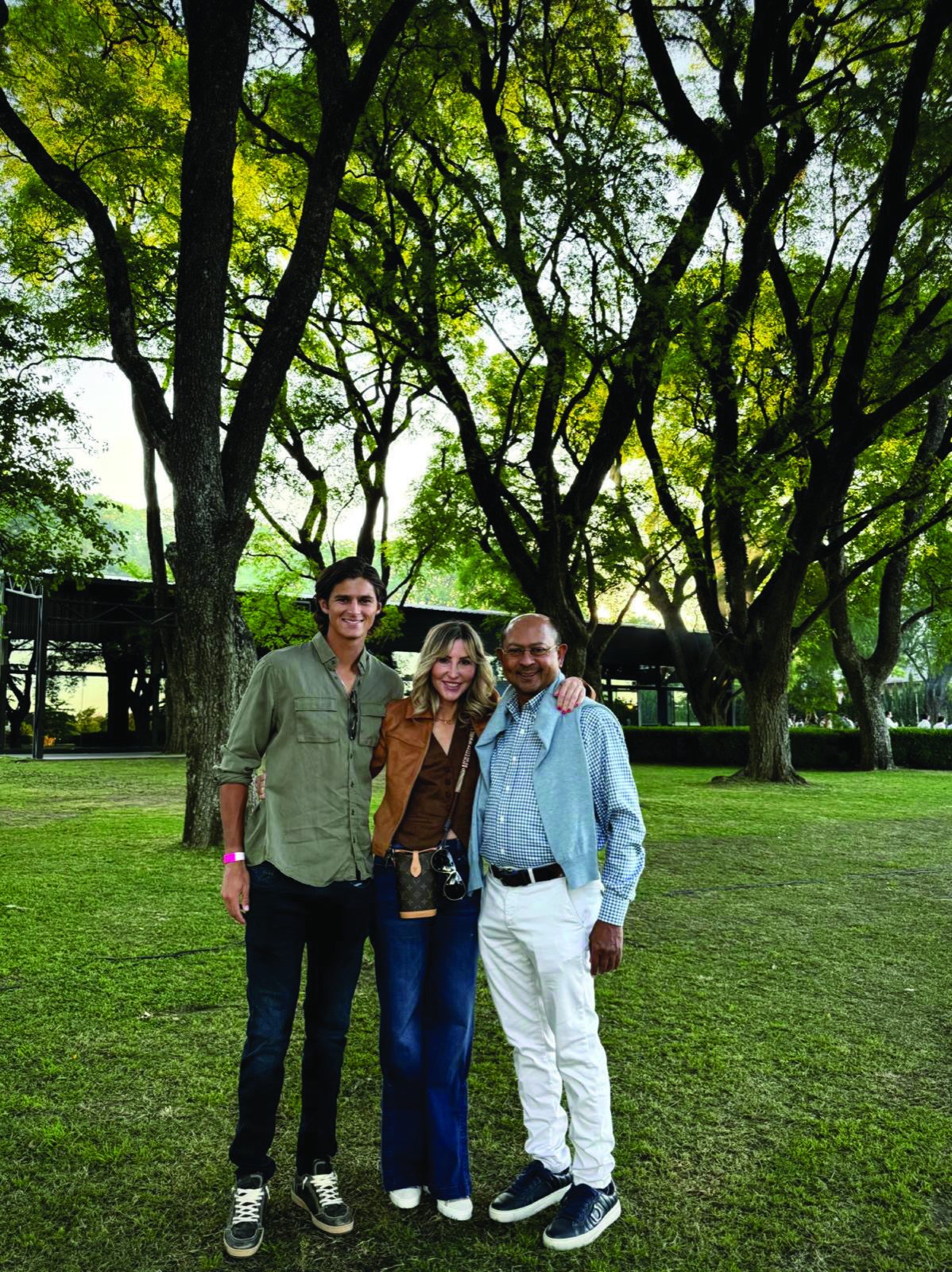
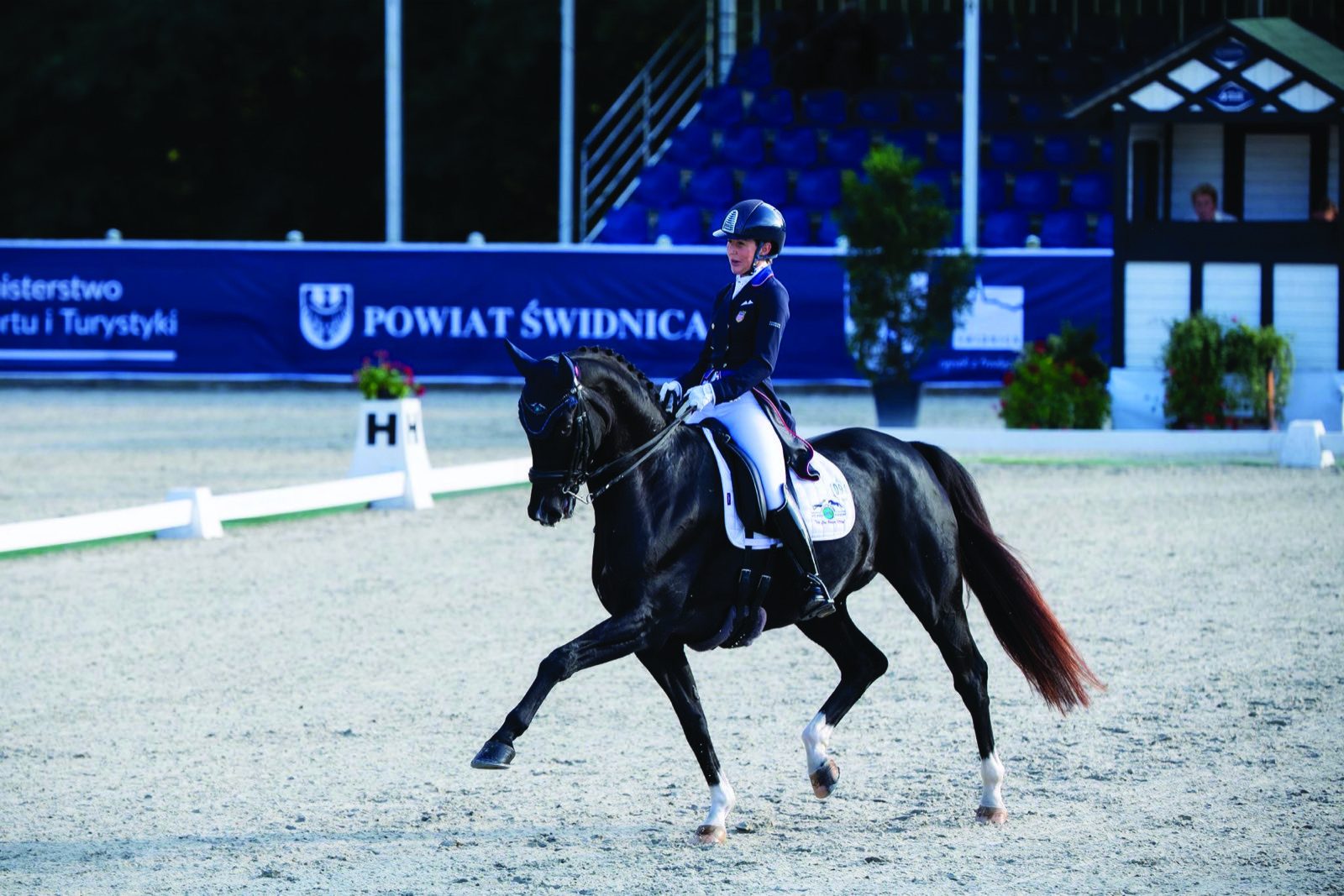
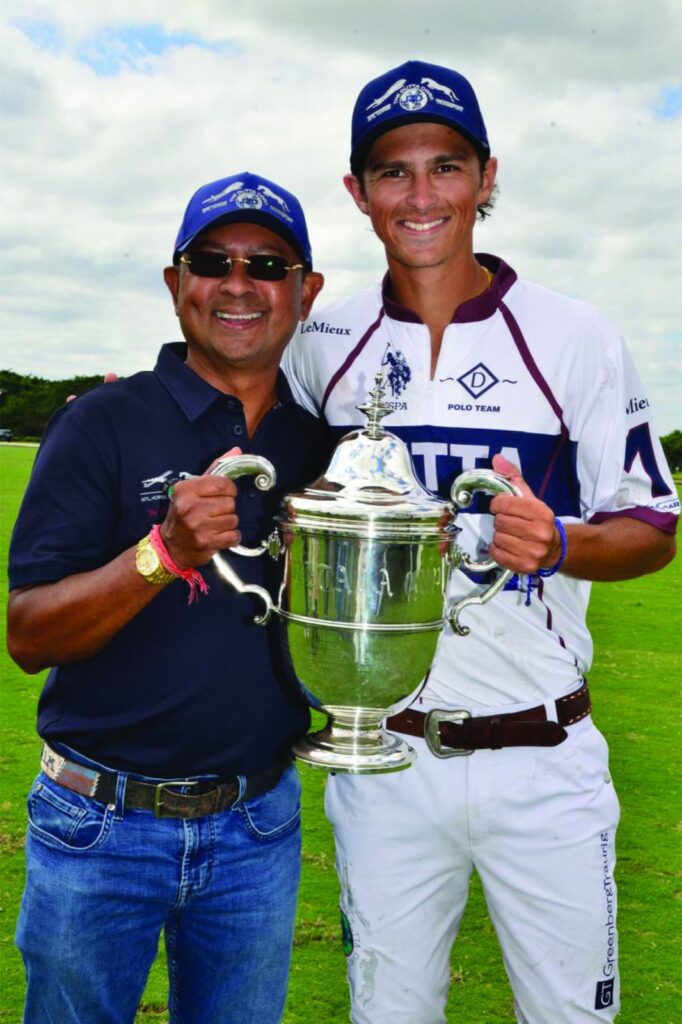
Tim’s family embodies the lifestyle: his wife Susan, a high-performance dressage competitor; his son Timmy, a professional polo player competing at the highest level; and Tim himself, a man who has spent nearly four decades perfecting the art and science of equine travel.
“The horse. Always the horse. I grew up watching them teach people how to be brave and gentle at the same time. That stays with you.”
Legacy, to Tim, is simple. “I hope people say we cared, that we raised the standard, that we never forgot who we serve. That’s enough for me.”
In the end, Dutta Corp. isn’t just a logistics company.
It is the bridge spanning continents, carrying horses and dreams alike. Riders meet their partners, teams meet the world, and the sport stretches from its past into a future where anything seems possible. Every shipment, every flight, every carefully guided step is a thread in the fabric of what equestrian sport is becoming.
It started with a kid who swept stalls. Now it moves the heartbeat of an entire global community.
Some leaps — the bold ones, the scary ones, the ones that start with $313 and a dream — change more than a life.
They change the world.
Beyond the Runway
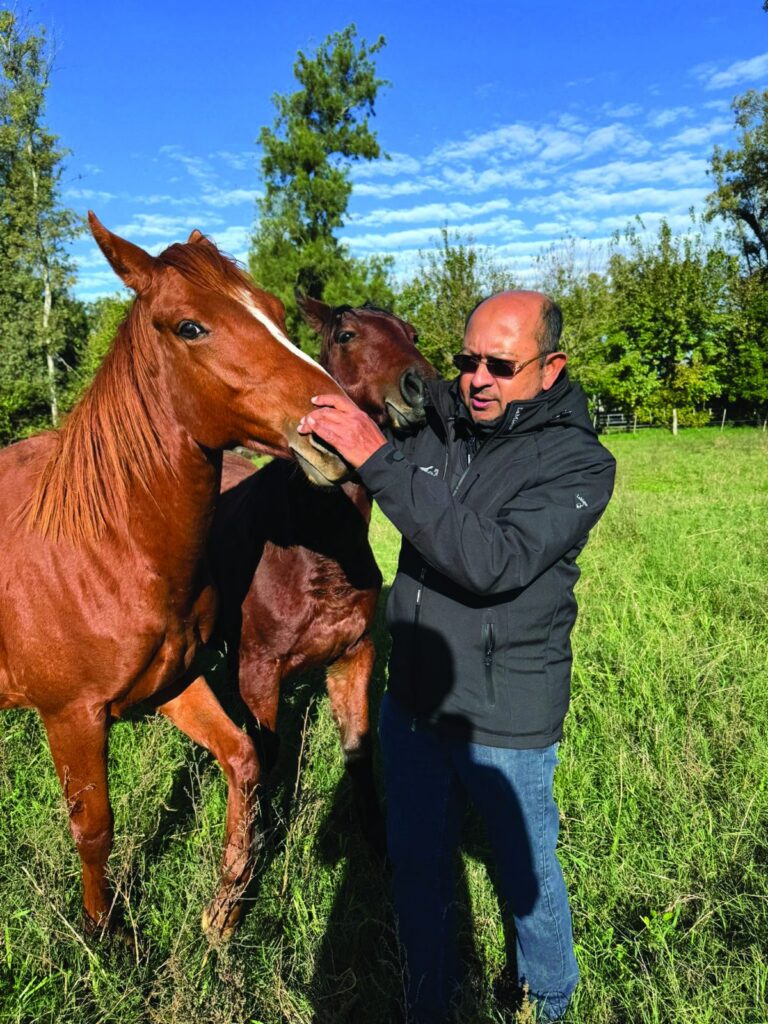
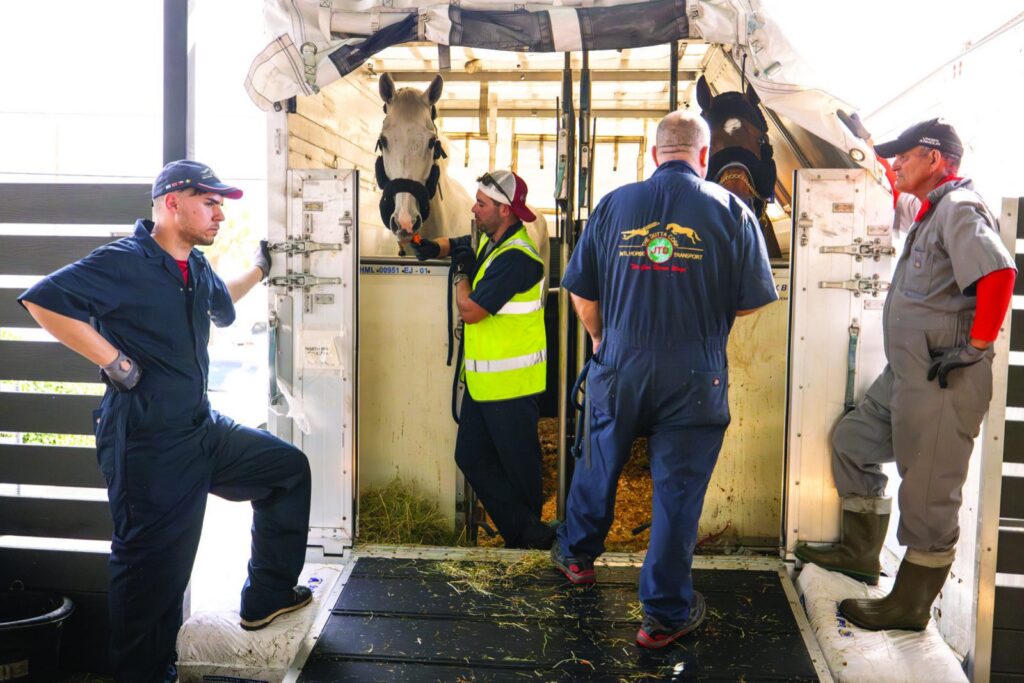
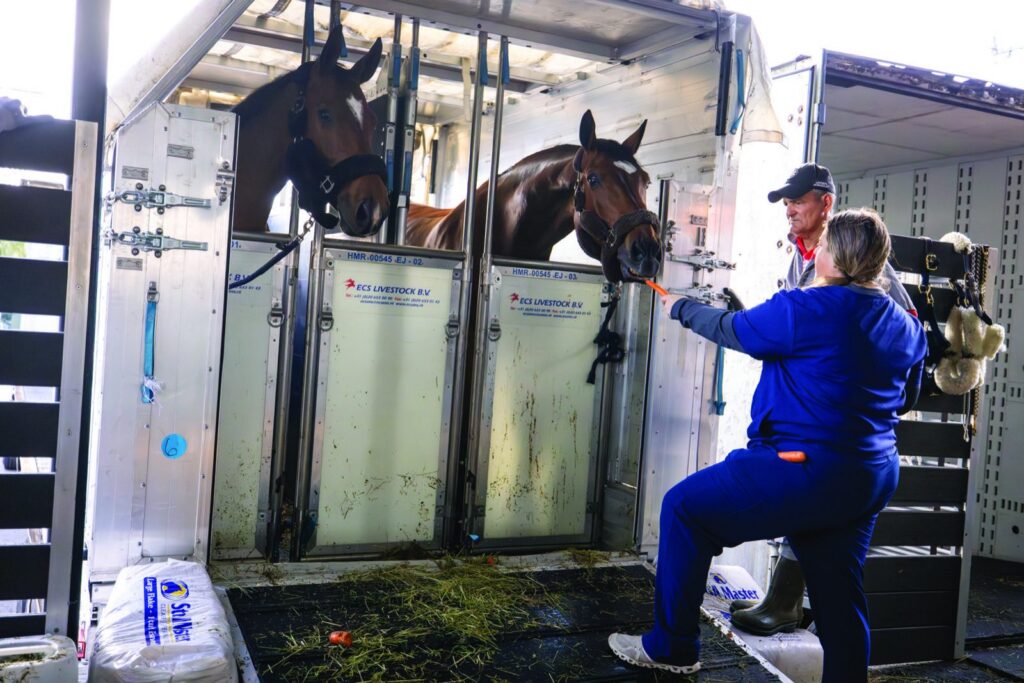 At Dutta Corp., care starts with trust—and a few carrots. Every horse is treated as an individual, given what they need without bubble-wrapping or holding them back from being horses. Stress-free, safe, and always on time.